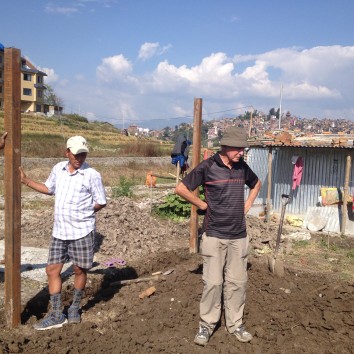
Construction volunteering in Nepal through the Third Eye Volunteer Foundation offers a hands-on way to help build stronger communities in one of the most beautiful yet challenging landscapes in the world. Volunteers contribute directly to the development of essential infrastructure, such as schools, community centers, and sanitation facilities. This program appeals to those who are eager to make a tangible impact and are willing to engage in physical work. From laying bricks to mixing cement, the work is tough but incredibly rewarding, as every effort goes towards creating lasting change in communities that need it most.
The Third Eye Volunteer Foundation ensures that construction volunteers are placed where their efforts are most needed, often in areas recovering from natural disasters or in underdeveloped regions lacking basic facilities. No previous construction experience is necessary, as volunteers work alongside skilled local builders who provide guidance and expertise. This collaboration not only aids in the effective completion of projects but also fosters a rich cultural exchange. Volunteers learn traditional Nepalese building techniques, unique to the geographical and cultural context of the region.
In addition to contributing to physical buildings, construction volunteers in Nepal experience the deep gratification of seeing their immediate impact on the local community. Families gain access to safer living conditions and improved community structures, which are vital for their day-to-day life and well-being. This volunteer program is more than just building; it’s about connecting with the community, understanding their needs, and working together towards a common goal. The friendships and connections made during this time often last long after the construction work is completed, leaving volunteers with a profound sense of accomplishment and connection to the Nepalese people.
Construction Volunteer in Nepal: Most asked Questions and answers
A construction volunteer program involves helping local communities build or renovate schools, homes, toilets, health posts, or community centers, often in rural or earthquake-affected areas.
Anyone aged 18 or older, with a good attitude and willingness to work hard, can join. No prior construction experience is usually required.
No, most programs welcome beginners. Local masons or team leaders provide guidance, and tasks are assigned based on your comfort and ability.
Typical tasks include digging, mixing cement, carrying materials, laying bricks, painting, and landscaping. Work can vary depending on the project.
Most construction projects are in rural villages, the Kathmandu Valley, or earthquake-affected areas like Gorkha, Lamjung, or Chitwan.
Programs range from 1 week to five months. We recommend at least 2 weeks for a meaningful experience.
Generally, work runs from 9 AM to 3 or 4 PM, Monday to Friday. Afternoons and weekends are free for exploration and cultural activities.
Yes. Most volunteers use a tourist visa, which can be extended up to 150 days per calendar year. Visa-on-arrival is available for most nationalities.
Yes. Fees usually cover accommodation, meals, airport pickup, orientation, and local support. Fees vary ($200–$1000+ depending on length and provider).
You’ll stay in homestays, volunteer houses, or guesthouses, depending on location. Homestays offer the most authentic cultural experience.
Expect traditional Nepali meals like dal bhat (lentils and rice), vegetables, pickles, and occasional meat. Vegetarian options are widely available.
Yes, Nepal is generally safe. Volunteer programs prioritize safety and provide emergency contacts, orientation, and local guidance.
You can apply through our website or add us in whats app and send us your message and we will reach you with related details.
Minimum age is typically 18, but some programs accept 16+ with parental consent. There’s no strict upper age limit—older volunteers are welcome.
Absolutely! Many programs offer a combo of construction + teaching, environmental work, trekking, or cultural exchange.
Bring work clothes, gloves, sturdy shoes, sun protection, reusable water bottle, and any personal hygiene items. A headlamp is handy for rural areas.
In cities and some villages—yes. But rural sites may have limited or no Wi-Fi. Local SIM cards with data are cheap and reliable.
Yes! Many programs welcome couples, friends, and student groups, and may offer discounts or tailor the project to your group.
Your contribution helps improve local infrastructure, supports education and health services, and strengthens communities. It’s meaningful and long-lasting.
You live with locals, eat home-cooked meals, learn the language, take part in festivals, and work side-by-side with the community. It’s full cultural immersion.
Explore a wider range of services crafted to support your journey, enhance experiences, and deliver meaningful, dependable results.